


Molecule Peptides

USA-shipped research peptides for laboratory use only

Research Guide:

An Online Reference for Researchers

Research peptides are key to advancing science in biochemistry, cell biology and molecular research. This knowledge center provides laboratory scientists with the technical information and practical guidance to select, handle and work with research-grade peptides for in vitro and ex vivo applications.

USA-shipped research peptides are for laboratory use only and not for human consumption, clinical use or diagnostic purposes. This guide is destined to supporting scientific research through proper peptide selection, handling and experimental design.

Your Online Peptide Guide for Research Applications

Whether you’re new to peptide research or looking to expand your laboratory’s capabilities, this guide to peptides is your go-to resource for understanding, synthesizing, and working with research peptides. From basics to advanced techniques, we have compiled the most important information to support your scientific investigations.

Peptides in Research

Peptides are short chains of amino acids that play crucial roles in biological processes, making them invaluable tools for scientific research. These versatile molecules serve as hormones, neurotransmitters, signaling compounds, and regulatory factors in living systems.

For laboratory researchers, peptides offer unique advantages in studying cellular mechanisms, protein interactions, and biochemical pathways through controlled in vitro and ex vivo experimental systems.

The peptide research field has grown dramatically in recent years, driven by advances in synthesis technologies and a better understanding of peptide biology.

Today’s research labs rely on high-quality, well-characterized peptides to conduct reproducible experiments and generate meaningful data in controlled environments.

Why Quality Matters in Peptide Research

Your research depends heavily on the quality and consistency of your peptides. Purity, stability and proper storage can make a big difference in your outcomes. Understanding these key factors ensures reliable results and supports the integrity of your scientific work.

Modern peptide synthesis and purification techniques allow for the production of research grade peptides with defined specifications so you can work with confidence in your experimental design.

Why Quality Matters in Peptide Research

Choose Your Focus

Overview of Peptide Research

This article is intended for educational purposes only and is directed exclusively at licensed researchers. The peptides discussed herein are not for human or animal use and should only be utilized for in vitro research. The information provided is based on published scientific research and should not be considered medical advice. Introduction to Research Peptides […]
Why Peptide Purity is not Enough

Peptide safety isn’t just about “high purity.” For serious peptide research, purity, sterility, endotoxin, and assay testing all matter—and this is exactly where Molecule Peptides sets the industry standard.​ Why Testing Matters for Peptide Research Peptide researchers, clinicians, and advanced biohackers increasingly demand GMP-like quality, not hobby-grade powders. In this environment, vendors that only advertise […]

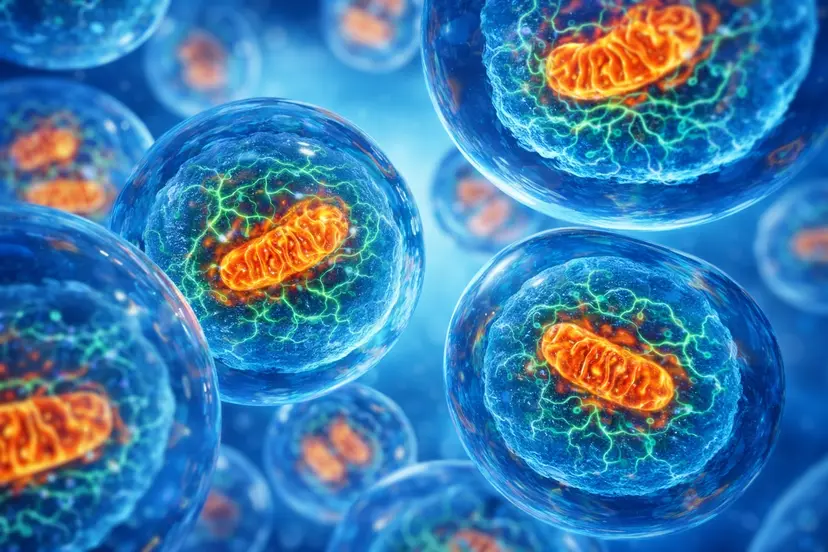
Mitochondria, Microproteins, and Metabolic Health: From Endosymbiosis to Redox and Aging

Origins and Evolution of Mitochondria Mitochondria were first described morphologically by Richard Altmann in 1890, who referred to them as “bioblasts,” but their evolutionary origins were clarified much later. In 1967, Lynn Margulis (then Sagan) articulated the endosymbiotic theory, proposing that mitochondria arose from an ancestral α‑proteobacterium engulfed by a proto-eukaryotic cell, explaining the presence […]

BPC-157: Gastric Pentadecapeptide for Experimental Cytoprotection, Angiogenesis, and Tissue Repair

Origins, Chemistry, and Structural Biology BPC-157 (Body Protection Compound 157) is a synthetic pentadecapeptide (sequence: GEPPPGKPADDAGLV) derived from a partial sequence of a larger “body protection compound” originally isolated from human gastric juice and reported to be highly conserved among mammals. It has a molecular mass of approximately 1,414 Da and displays amphipathic characteristics that […]

GHK-Cu Peptide: Glycyl-L-Histidyl-L-Lysine Copper Complex for Skin Regeneration, Wound Healing, Anti-Aging, and Tissue Repair

Glycyl-L-histidyl-L-lysine copper (GHK-Cu) is a naturally occurring tripeptide-copper complex with potent regenerative properties, discovered in human plasma where levels decline from ~200 ng/mL in youth to ~80 ng/mL by age 60, correlating with reduced healing capacity Glycyl-L-histidyl-L-lysine copper (GHK-Cu) is a naturally occurring tripeptide-copper complex with potent regenerative properties, discovered in human plasma where levels decline

GLP-1 Peptides: Natural Regulators of Metabolism and Appetite

Glucagon-like peptide-1 (GLP-1) is a 30-amino-acid incretin hormone primarily produced by L-cells in the ileum, with minor contributions from brain neurons and other intestinal sites. GLP-1 promotes insulin secretion, slows gastric emptying, suppresses glucagon, regulates appetite, and supports metabolic homeostasis, cognitive function, and neurogenesis Glucagon-like peptide-1 (GLP-1) is a 30-amino-acid incretin hormone primarily produced by L-cells

Tools and Resources for Peptide Researchers

Discover our growing library of tools and resources

Peptide Calculator

Accurately reconstitute lyophilized peptides for research applications with this easy-to-use dilution calculator and guide. Learn proper techniques for dissolving freeze-dried peptides, choosing appropriate diluents, calculating concentrations, and avoiding common mistakes.

Research peptides are for laboratory use only and not intended for human consumption or clinical applications.

0
    0
    Your Cart
    Your cart is emptyReturn to Shop

    You must be at least 21 to visit this site.

    By entering this site, you are accepting our Terms of Service

    DISCLAIMER: All products sold by Molecule are strictly intended for laboratory research use only. They are not approved for human or animal consumption, or for any form of therapeutic or diagnostic use.

    We do not provide usage instructions, dosing guidelines, or any advice regarding the application of our products.

    This is a research supply company only.